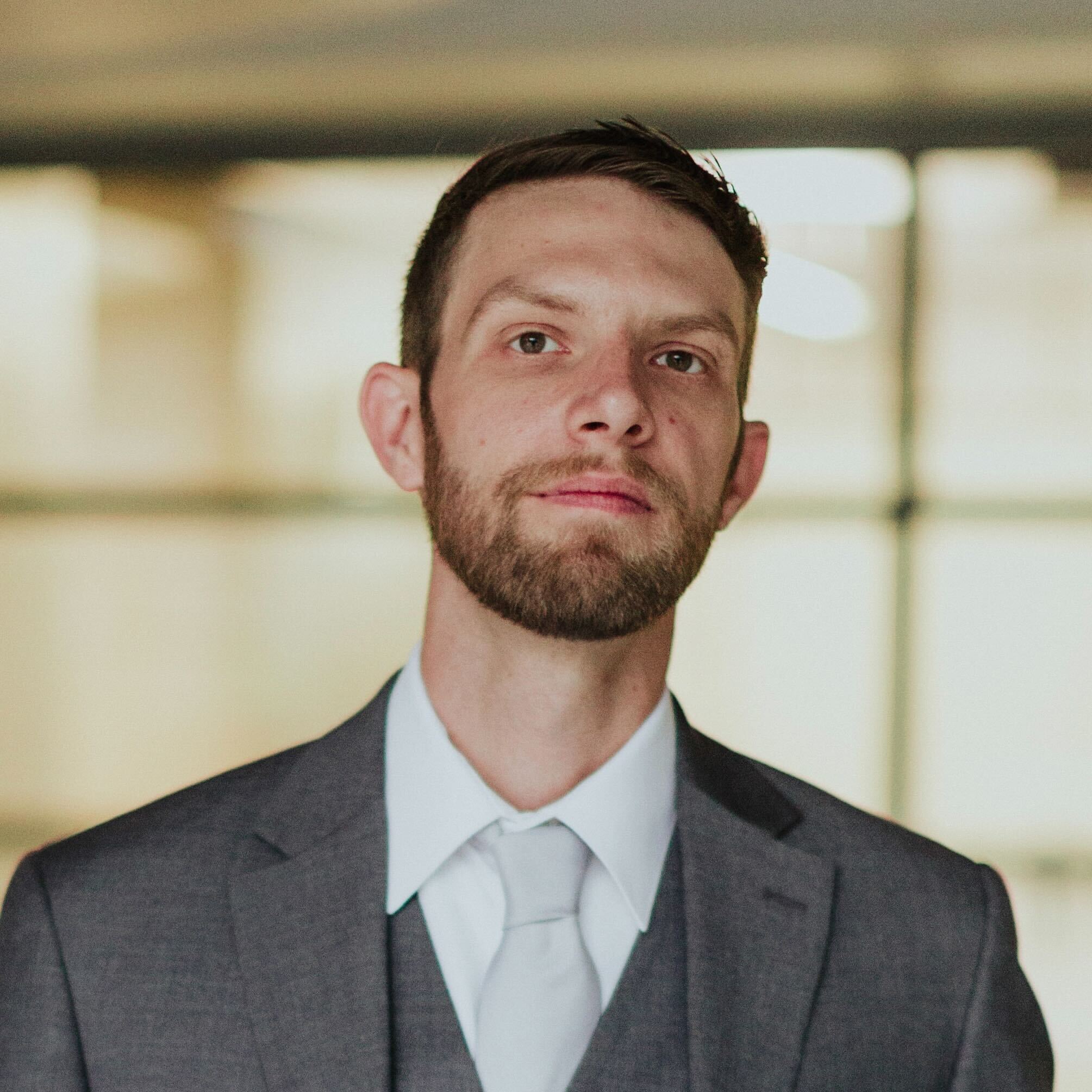
I'm Brandon Bell. I spent 10 years in enterprise Customer Success reading the gap between what users needed and what tools delivered — reading customer emails the way a mechanic listens to an engine. Not from a spec sheet. From the sound it makes when something's wrong.
That turned out to be the exact skill needed to diagnose why enterprise AI adoption was failing. Drift, hallucination, override — those aren't symptoms of bad models. They're the sound of an architecture that wasn't designed for trust. So I built the one that was.
Today I design the structural layer that makes AI trustworthy in environments where failure isn't an option. The Deterministic Core Architecture is the foundation. The MCR Protocol is the cryptographic trust layer. Tether is the developer product. The publications document the methodology. Six production artifacts prove it works.
Architecture is chosen based on the problem, not the other way around. Whether it's a sovereign single-file application, a packaged Python CLI, or an internal dashboard, the format follows the function — and the function is always to remove friction without creating new risk.
Don't correct drift. Prevent it.
The Deterministic Core Architecture exists because every other approach treats AI failure as a bug to be patched. I treat it as a structural problem to be designed out.
Explore the tabs above to dive into the architecture, the products, freelance work, or employment.